
Water heating is often the second-largest energy expense in your home, accounting for up to 18% of utility bills. The good news? You don’t have to take cold showers or replace your entire system to make a dent. This guide covers practical, cost-effective ways to lower water heating costs while keeping your home comfortable.
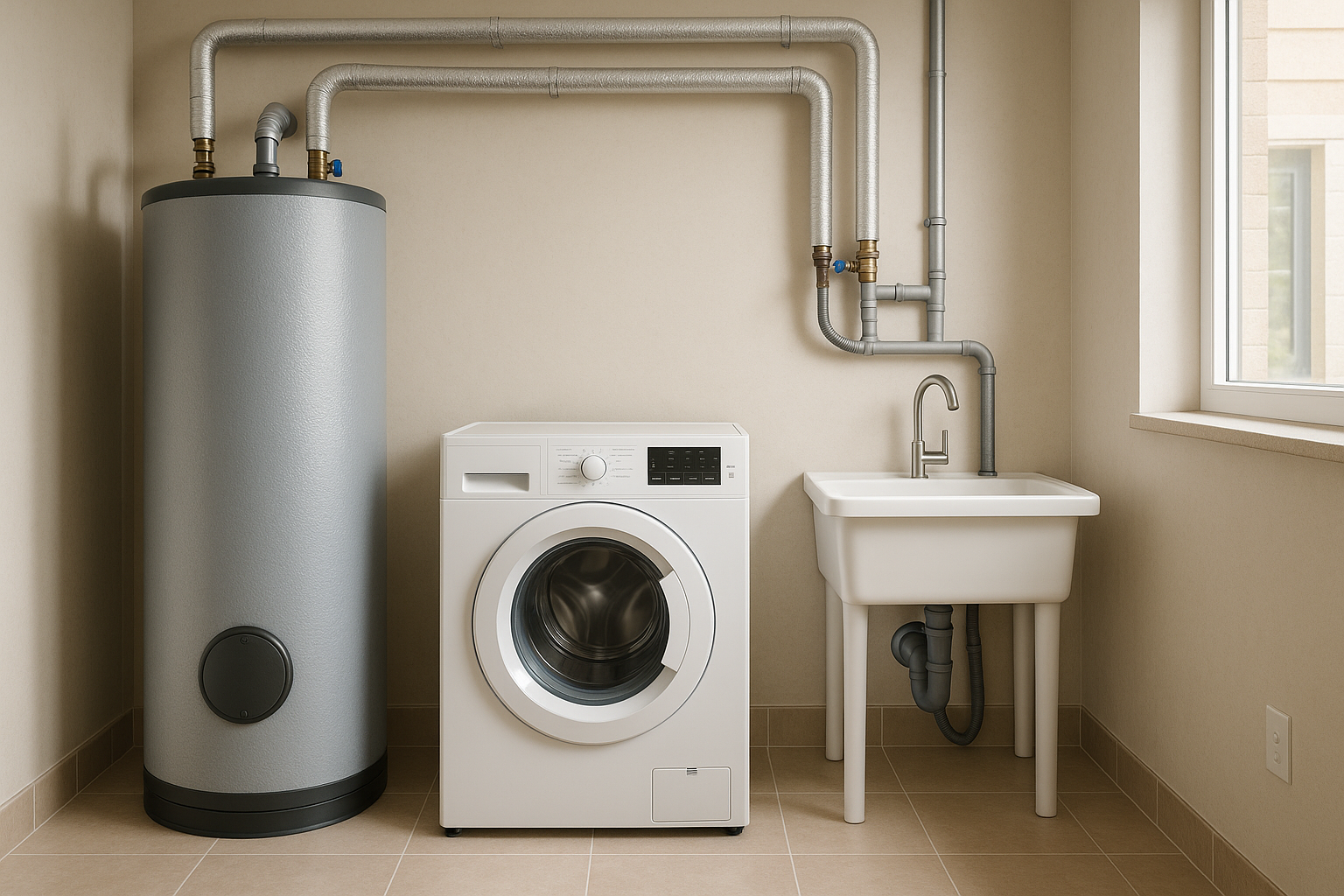
Know Your Water Heating System
There are several types of water heaters, and each has its own efficiency profile:
- Tank Water Heaters: Store hot water continuously; can waste energy keeping water warm.
- Tankless Water Heaters: Heat water on demand; more efficient for households with moderate use.
- Heat Pump Water Heaters: Use electricity to move heat rather than generate it; very efficient but higher upfront cost.
Knowing your current system helps you understand where upgrades or tweaks will make the biggest impact.
Simple Habits That Lower Water Heating Costs
- Shorter Showers: Reducing shower time by 2 minutes can save hundreds of gallons per month.
- Use Cold Water When Possible: Laundry and hand-washing often don’t require hot water.
- Fix Leaks Promptly: A single drip can waste 1,661 gallons of hot water per year.
- Lower the Thermostat: Set the water heater to 120°F — it’s safe, comfortable, and energy-efficient.
Low-Cost Upgrades That Make a Difference
- Water Heater Insulation Blanket: Especially useful for older tanks to reduce standby heat loss.
- Pipe Insulation: Insulating the first 3–6 feet of hot and cold pipes saves energy and reduces wait time.
- Low-Flow Showerheads and Faucets: Use less water without sacrificing pressure.
- Smart Timers or Switches: Program usage to avoid peak energy costs.
Affordable Energy Upgrades Under $100 — we cover several of these quick wins in detail.
Should You Upgrade Your Water Heater?
Sometimes an upgrade is the most efficient choice:
- Your tank is over 10–12 years old.
- Your hot water runs out quickly or unevenly.
- You’re seeing high standby losses.
If you’re in the market for a new unit, consider ENERGY STAR-rated models or tankless systems.
Compare energy-efficient home upgrades to find rebates and guides on the official ENERGY STAR site.
Smart Habits to Extend Efficiency
- Drain Sediment Build-Up: Once or twice a year, drain a few gallons from your tank to prevent inefficiency.
- Use Vacation Mode: Most modern heaters include this to minimize standby heating when you’re away.
- Install Point-of-Use Heaters: For far-away taps, this can reduce delay and waste.
Combine with Other Energy-Saving Strategies
Lowering your water heating costs works best as part of a whole-home efficiency strategy:
- Pair with smart devices that monitor and reduce standby energy.
- Improve insulation in key areas like the attic.
- Practice sustainable energy habits for daily reductions.
Key Takeaways
- Water heating accounts for up to 18% of your home’s energy use — it’s a high-impact place to start saving.
- Simple habits like shorter showers and using cold water for laundry reduce hot water demand.
- Insulation and low-flow fixtures are easy, affordable upgrades that pay for themselves over time.
- Lowering your water heater temperature to 120°F is both safe and energy-efficient.
- If your system is outdated, switching to a tankless or ENERGY STAR-rated heater could result in long-term savings.
- Combine these efforts with whole-home energy strategies like insulation and smart plugs to maximize your results.
Bonus Tip: Check for Local Rebates
Many local utilities and municipalities offer cash rebates, tax credits, or discounts for upgrading to energy-efficient water heaters. Before you buy new equipment, check your utility company’s website or visit DSIRE (Database of State Incentives for Renewables & Efficiency) for updated rebate opportunities in your area in order to lower water heating costs.
Conclusion
You don’t need to sacrifice comfort to lower water heating costs. From simple habit shifts to affordable upgrades, there are plenty of ways to reduce waste and save money. Start small, track your savings, and consider an energy-efficient upgrade when it makes sense.
Your water heater works hard — make sure it works smart.